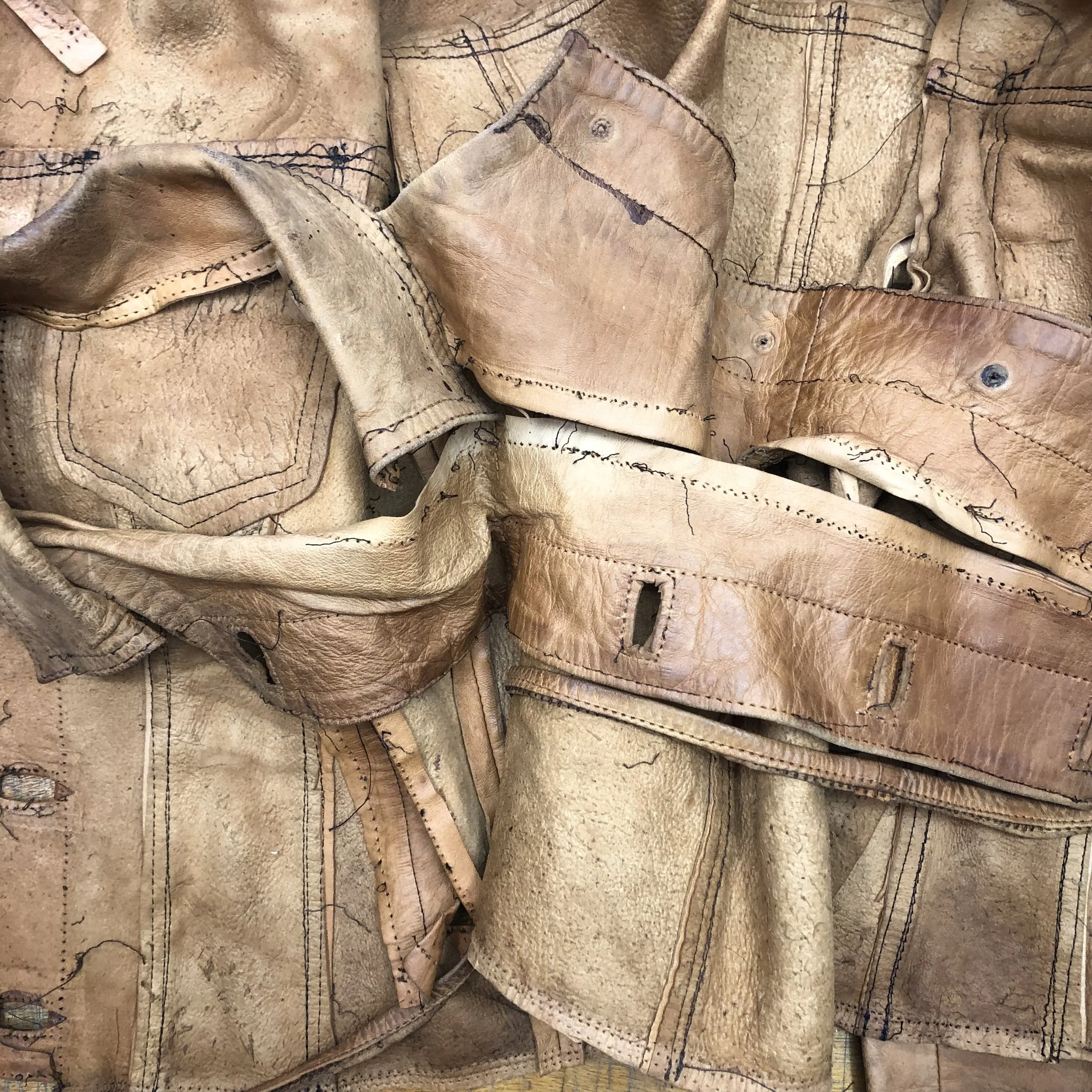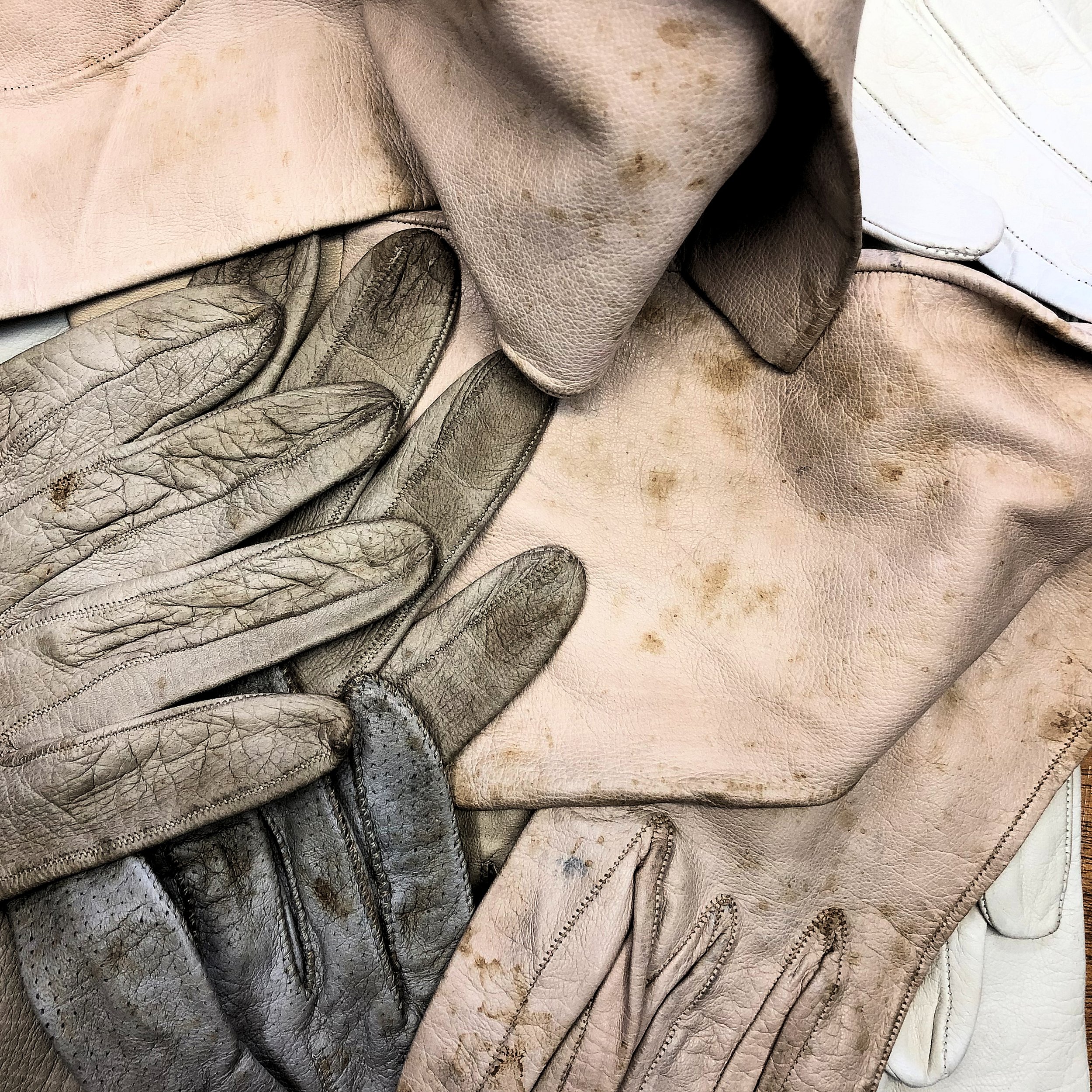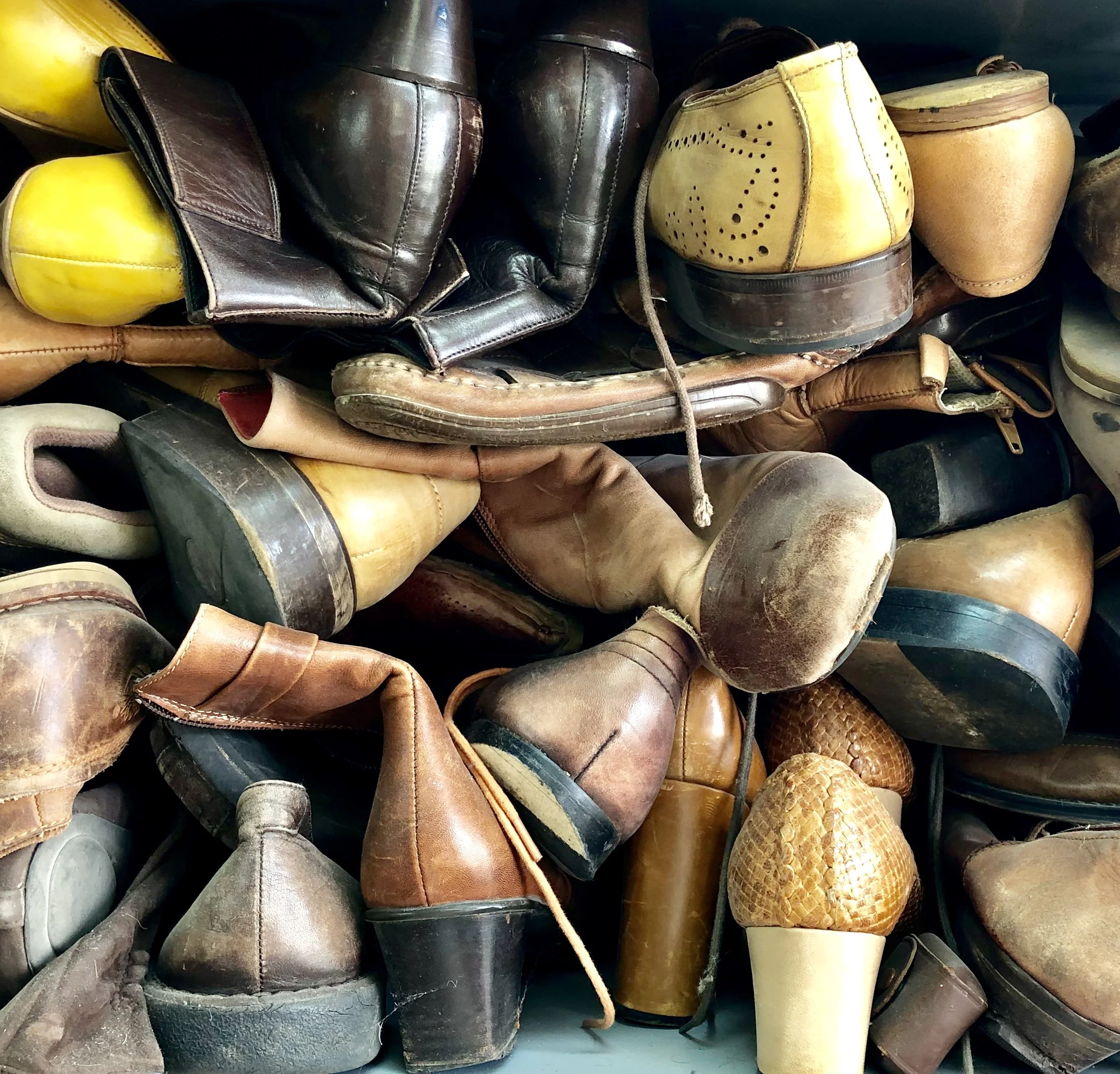
Ronen Raz (b. 1964) lives and works in Israel. Raz began his career in fashion design and is an amateur entomologist who previously worked in taxidermy and animal preservation. His sculptures occupy the seam between the living, the inanimate, and the dead, incorporating biological tissues such as skin and hair, on which he performs chemical manipulations and uses traditional leather-processing and sewing techniques. In his work, inanimate objects show signs of life, generating a circle of associations of an emptied, wrinkled, soft, and exhausted organic body, sometimes with sexual potential and primarily human.
Raz’s works have been exhibited in galleries and museums in Israel and abroad, have won awards and honorable mentions, and have been acquired by private collectors in Israel and internationally. He participated in the prestigious residency program at the MacDowell Colony in New Hampshire, USA.
Raz's contribution extends beyond practical artistic work: for over 13 years, he served as head of the Fashion Design Department and taught unique courses at the Kibbutzim Seminar in Tel Aviv. As part of his role, he accompanied and influenced generations of students in their first steps in the world of art and design. Since 2019, he has joined the staff of the Entomological Department at the School of Zoology, Tel Aviv University, and the Steinhardt Museum of Natural History.
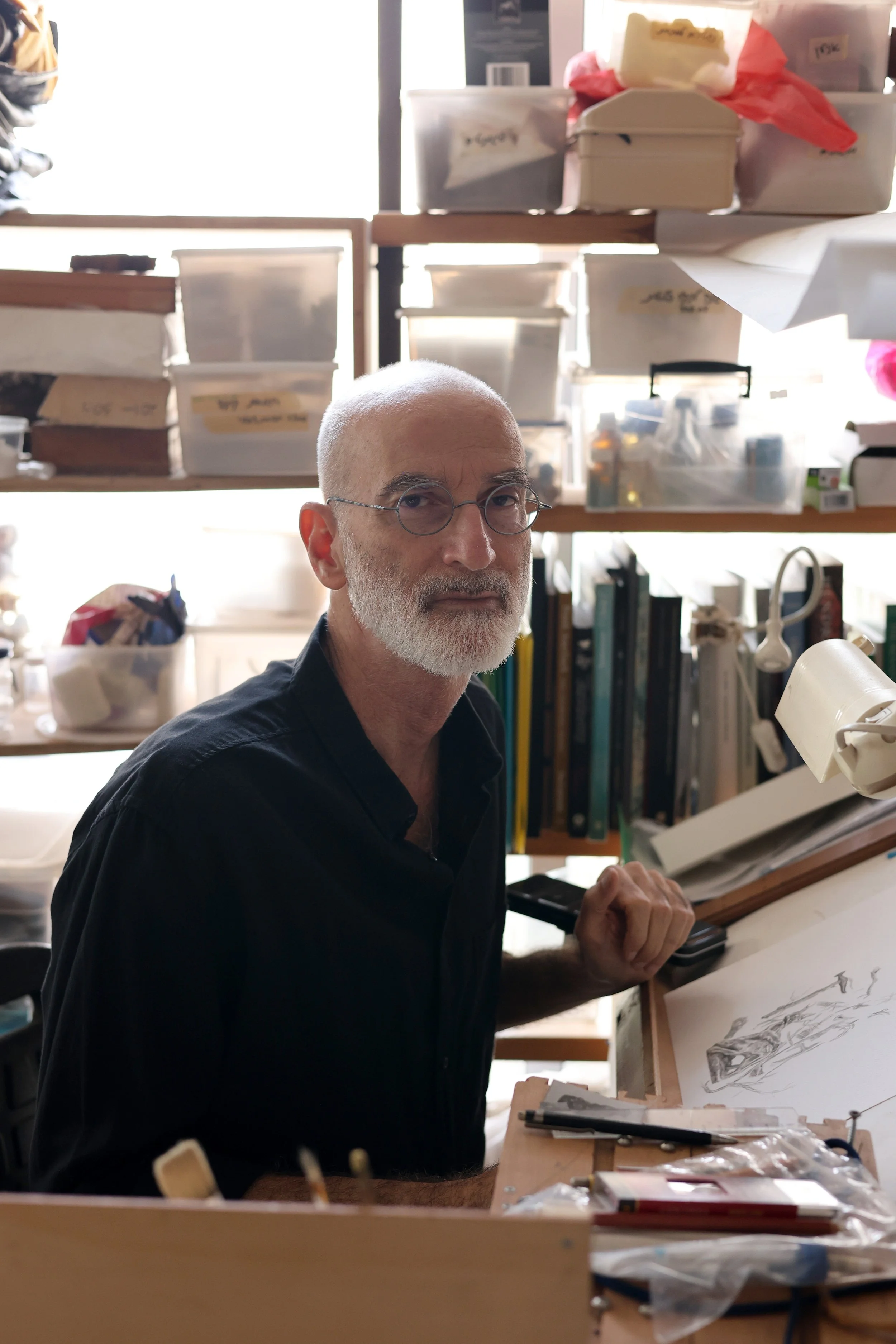
Ronen Raz in his studio by Osnat Perelshtein, 2025
On Leather
The leather, which originates in factory-farmed mammals, is a biological membrane, a transitional area between the inside and the outside, a hypersensitive sensor. The skin tissue conveys the profound essence of the living, and the deepest implications of trauma, ones that cannot be communicated in any other way. At the same time, leather is used for purely material industrial purposes, whose very essence radically negates the subjective expressions embodied in it. The objects that Raz chooses to sculpt in leather are also situated in the no-man’s-lands that stretch between these two extremes: On the one hand, they contain the corpses and carcasses of industrial culture, and on the other hand, they have the elements that stubbornly save sensitivities and shock from being covered up, disappearing, and disintegrating. Marginal areas, by their very nature, host unlived life forms; being outside the realms of normative existence, they seem to answer the plea of traumas not to be buried and to return to the heart of culture.
Dr. Ariel Izhar